

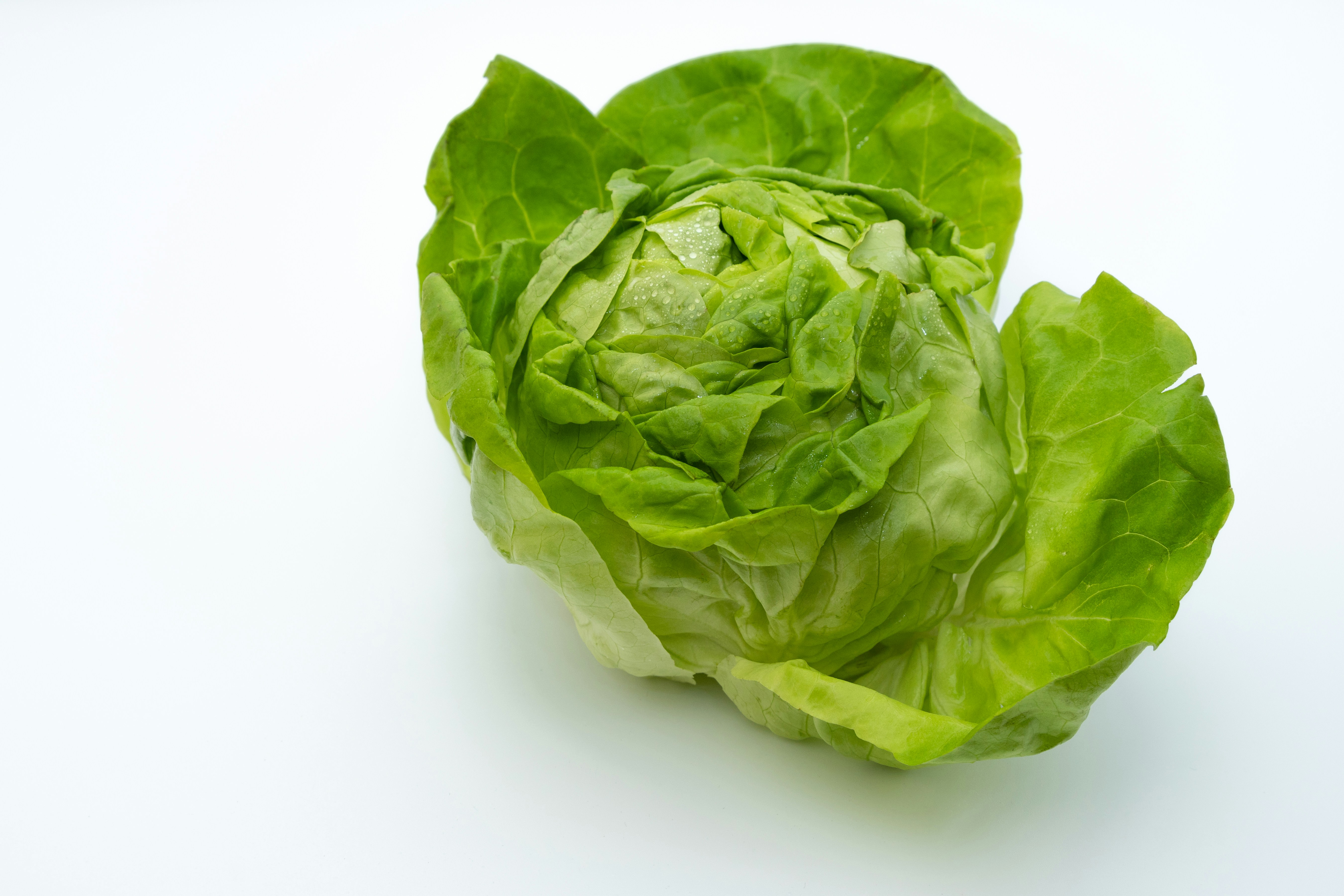
The 2026 Cyclospora outbreak linked to iceberg lettuce shows how recall readiness across a supply chain, or lack thereof, translates into insured loss. When an outbreak generates tens of thousands of illnesses, the resulting claims do not land on one company only. They spread across every insured party in the chain, from the grower to the point of sale, because plaintiffs’ counsel pursues the full recoverable amount and works backward through available coverage. Slow traceback, unclear communication, and broad recall scope all extend the exposure and increase the total payout. For product recall and contamination insurers, the most effective loss control is making sure clients can execute a recall quickly and effectively, which requires more than just having a plan on paper.
Bill Marler made an argument in Food Safety News recently that is important for insurance underwriters and industry alike. He points out that insurers on the product recall and contamination side are the only participants in the system who see exposure before it becomes a liability, and while underwriting routinely asks whether a food company has a recall plan, it almost never asks them to test it. He is right, and the Cyclospora outbreak is a very clear illustration of what assuming recall readiness costs.
A foodborne illness claim is not a search for a single party at fault. Everyone in the supply chain pays when something goes wrong. Responsibility is positional within the chain. A point of sale has a responsibility to sell wholesome product to the public. A supplier has a responsibility to sell wholesome product to its customers. A distributor has responsibility in both directions. Each position carries its own coverage, and each becomes a point of recovery when a recall happens.
When prevention is not fully available, total exposure is determined by how quickly product comes out of commerce. Marler put it directly: his cases are rarely a mystery about whether the food was contaminated, they are about how long product stayed available after somebody knew.
It is possible to measure whether a company can effectively execute the recall plan they have on paper. A company that can demonstrate recall readiness creates very different exposure than one that cannot. Marler is spot on when he says that the economics and public health outcome point in the same direction. The opportunity for insurers is to measure the risk being priced, and to use that measurement to drive readiness across whole supply chains.
The nightmare in this outbreak is more than just a pathogen showing up in lettuce. Cyclospora season arrives every year. The nightmare is watching a predictable event turn into tens of thousands of illnesses because the supply chain could not identify affected product quickly, could not reach the companies holding it, and could not tell the public which lettuce to avoid. Every one of those failures is measurable in advance, but none of them were. Isn’t it time to change that?
